
Reaching Millions: The 2026 West Africa Regional Programme Impact Report
In 2026, the West Africa Regional Programme achieved an unprecedented expansion in scale, successfully delivering life-saving food assistance to 4.2 million people across sixteen countries. By doubling our network of local partners and broadening community-linked infrastructure, the programme has significantly deepened its support for vulnerable populations.
This year’s expanded impact includes a 23% increase in nutrition monitoring, reaching 1.29 million children under five, and the scale-up of 472 community kitchens and school-linked meal programmes. Through these expanded operations, we continue to build lasting regional resilience and provide reliable support when communities need it most.
Localized Procurement and Last-Mile Delivery
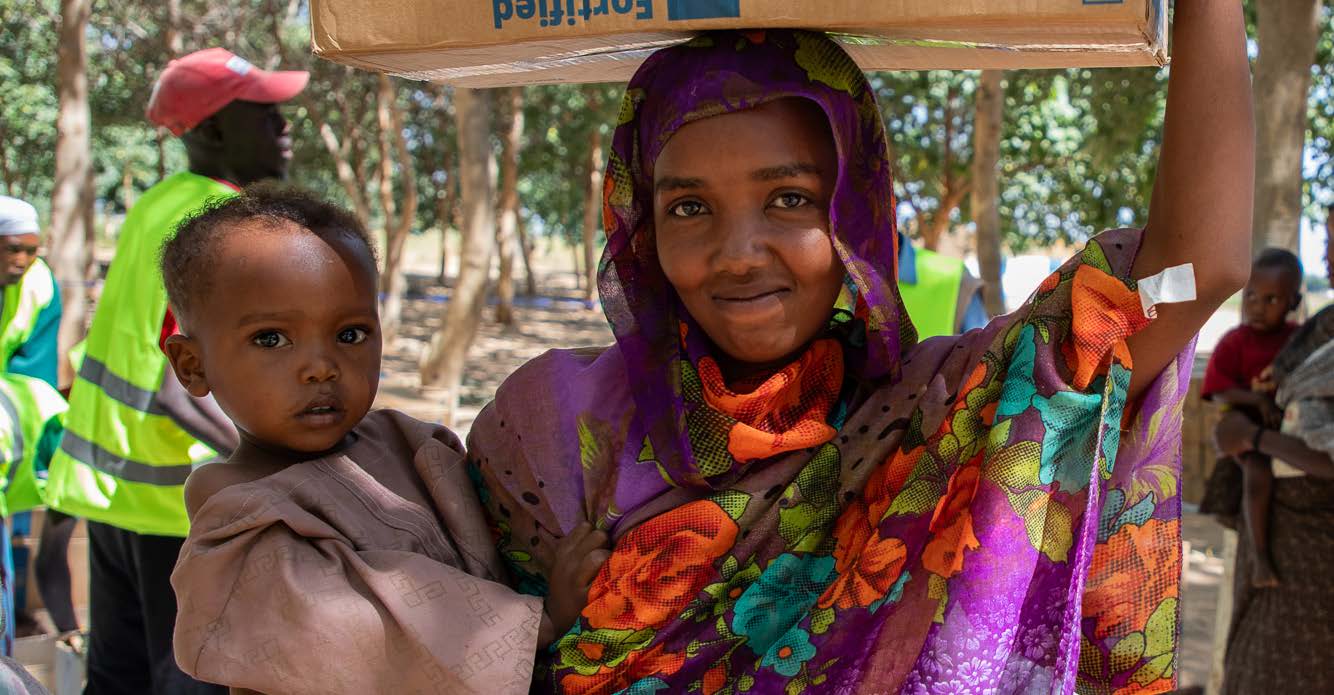
The core of our 2026 success lies in the transformation of our supply chain. We nearly doubled our network of local partner organizations, with 204 suppliers, transporters, and community groups now managing procurement and last-mile delivery. By sourcing 61% of staple goods regionally, we have not only supported local economies but also fortified our logistics against external disruptions.
- Regional sourcing increased by 23 percentage points.
- Warehouse loss rates fell from 4.1% to 1.7% due to improved tracking.
- New rainy-season corridors maintained food flow through previously impassable routes.
Efficiency Through Digital Innovation
Our field teams completed a major technological rollout this year, digitizing 87% of monitoring visits. The transition from paper-based systems to mobile data collection has reduced the data reporting lag from six weeks to just half a week. This near real-time visibility allows programme coordinators to track distribution coverage and nutrition indicators as they change, enabling faster adjustments to field conditions.
Nutrition and School-Linked Programmes
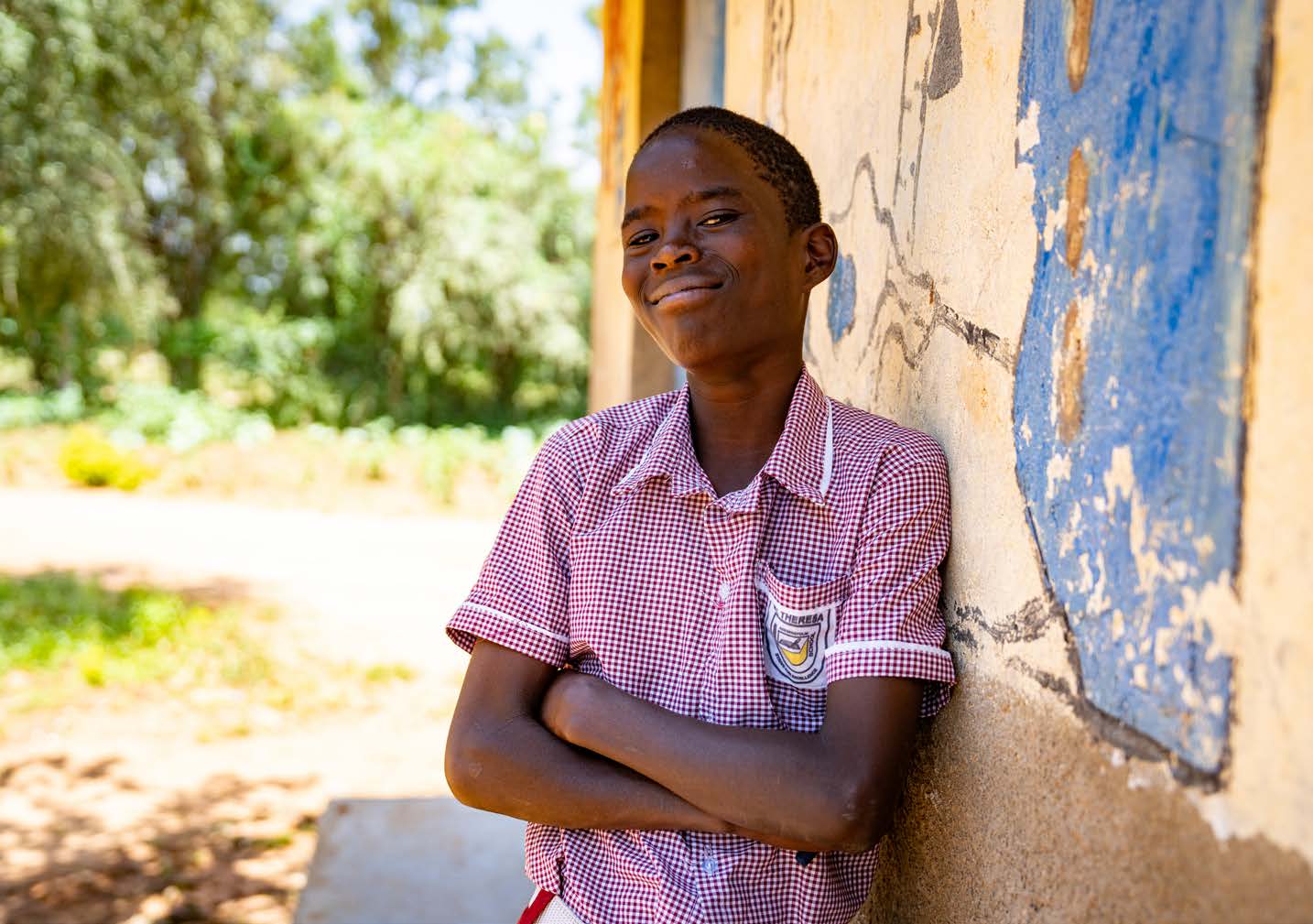
The programme's reach among vulnerable populations grew significantly in 2026. 1.29 million children under five are now enrolled in nutrition monitoring, a 23% increase from the previous year. Our infrastructure for long-term food security also expanded, with 472 community kitchens in operation and 151 school districts now providing daily meals to students.
Rapid Response to Emergencies
Reliability remains our hallmark. In 2026, the programme activated nine emergency responses, including critical flood relief for river basin communities in September. All nine responses met our 72-hour mobilization target, demonstrating the effectiveness of having pre-positioned resources and a robust local partner network ready to act when disaster strikes.