
Reaching Every Child: The 2026 West Africa Impact Report
In 2026, the West Africa Regional Programme achieved its most significant reach to date, providing essential food assistance to 4.2 million people across sixteen countries. By prioritizing local partnerships and nutrition monitoring, the programme expanded its footprint to include 1.29 million children under the age of five, ensuring that the most vulnerable populations receive life-sustaining support.
This growth was fueled by a transformative shift in regional operations, where improved delivery times and cost efficiencies were directly reinvested into community-led initiatives. From Guinea-Bissau to Togo, the programme is turning logistics into lives saved, serving daily meals in 151 school districts and maintaining a 72-hour emergency response window for communities in crisis.
Strengthening the Foundation of Nutrition
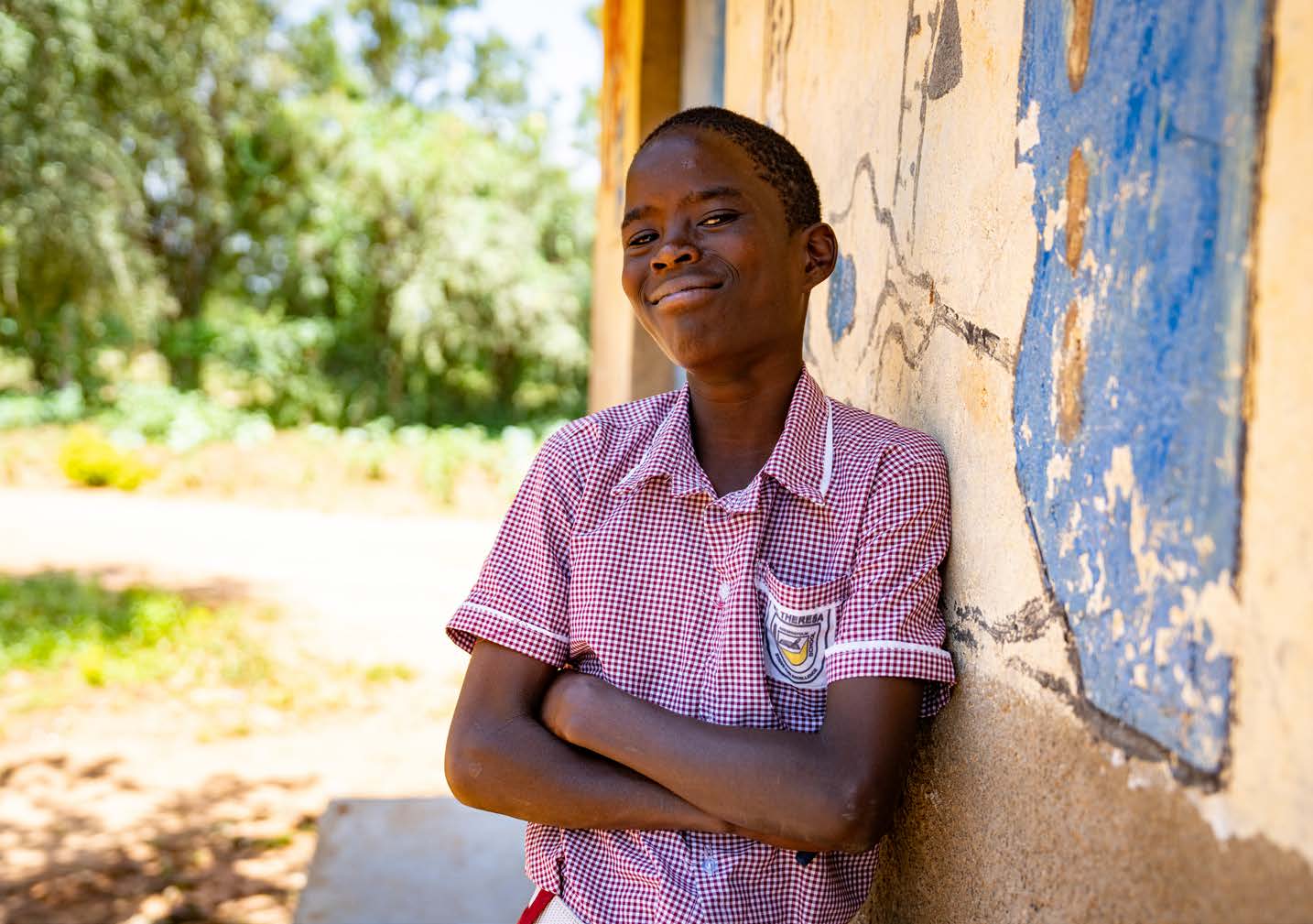
The core of our mission in 2026 was the health and development of the next generation. We successfully enrolled 1.29 million children under the age of five into our nutrition monitoring programmes, a 23% increase over the previous year. This expansion ensures that early signs of malnutrition are identified and addressed with urgency.
Our impact is felt most deeply in the classroom and the community kitchen. We expanded our network of school-linked programmes to include:
- 472 community kitchens now in active operation, providing a stable source of nutrition.
- 151 school districts receiving daily meals, representing a 57% increase in coverage.
Local Partnerships, Regional Resilience
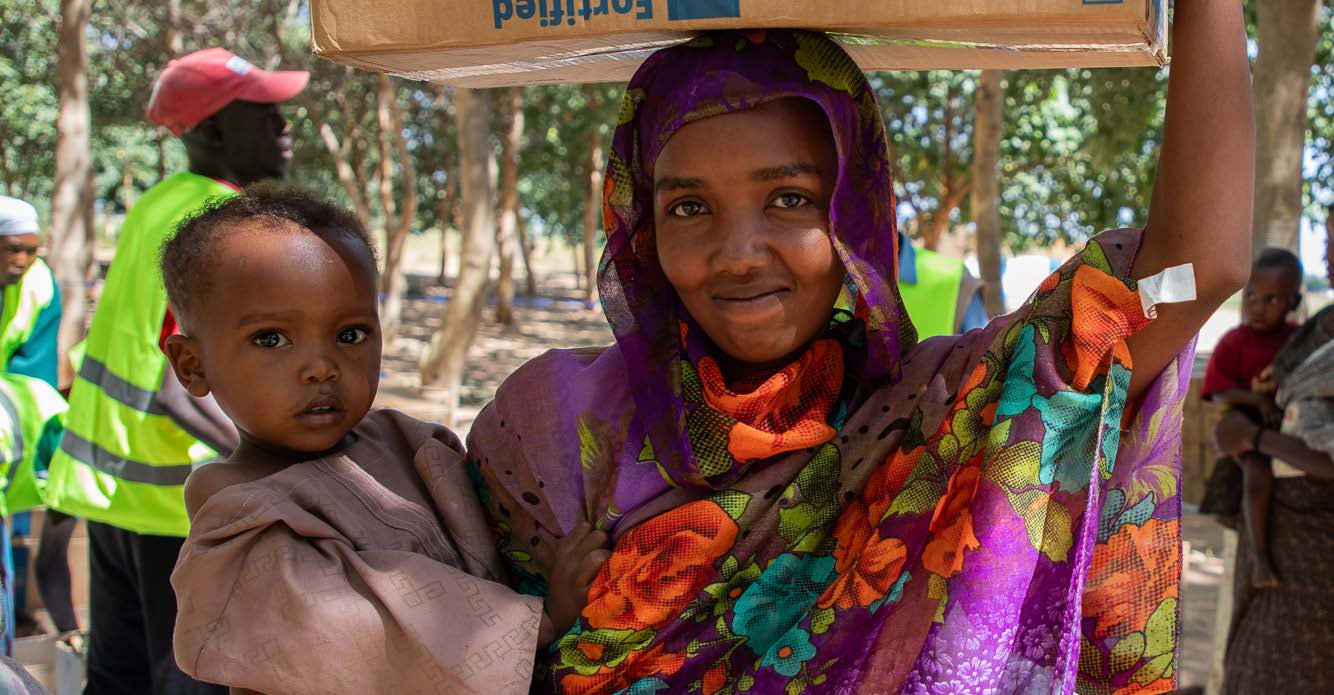
The transition to a locally-led model has redefined our ability to serve remote areas. By nearly doubling our network of local partner organizations to 204, we have rooted our supply chain in the communities we serve. Currently, 61% of staple goods are sourced regionally, which has not only empowered local suppliers but also dramatically reduced the time it takes for food to reach families.
These new regional corridors proved vital during the rainy season, keeping food moving through routes that were previously inaccessible. The result is a more resilient system that cut port-to-community delivery times from 19 days down to just 11.
Rapid Response and Real-Time Care
When crisis strikes, every hour matters. In 2026, we activated nine emergency responses, including a critical flood response in river basin communities. Every single response met our 72-hour mobilization target. This reliability is supported by a new digital monitoring infrastructure.
With 87% of monitoring visits now digitized, our field teams can transmit data in near real-time. We no longer wait a season to understand shifting nutrition indicators; we see them as they change, allowing us to pivot resources to where they are needed most.
A Vision for Total Coverage
The operational milestones of 2026—including an 18% reduction in cost per beneficiary and a 59% drop in warehouse losses—are not just statistics. They represent the resources that allow us to extend our reach to two new countries, Guinea-Bissau and Togo.
Looking toward 2027, our goal remains clear: to deepen our nutrition monitoring and extend community kitchen coverage to every enrolled school district. We are building a future where no child is out of reach.